

How a suitcase in Kampala changed the direction of my work
Photographs. Letters. Documents. Permits. Evidence of lives we are still trying to understand.

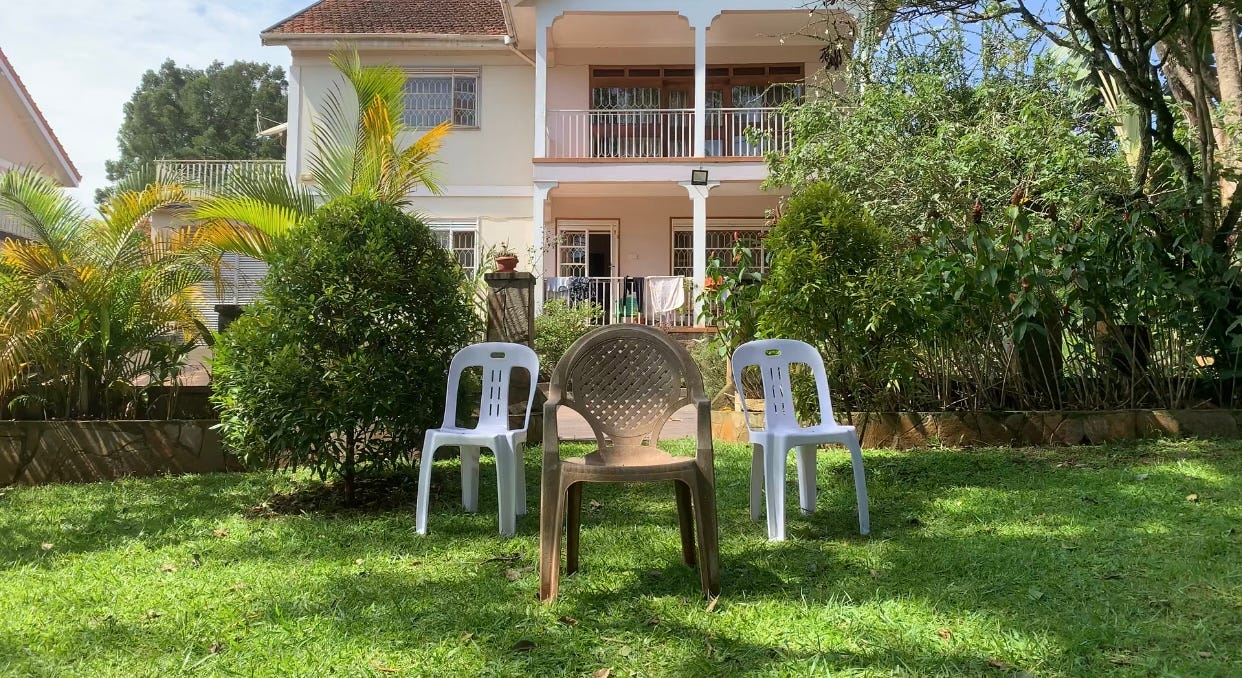
In December 2024, I returned to Uganda for the first time in years.
While visiting my family home on the shores of Lake Victoria in Bunga, on the outskirts of Kampala, I opened a dusty suitcase tucked away in my parents’ closet.
I thought I was looking through old family photographs.
Instead, I found an archive.
Photographs. Letters. Documents. Permits. Traces of lives I knew nothing about.
Photographs. Letters. Documents. Permits.
Evidence of lives we are still trying to understand.
The older I get, the more I realize that our parents and relatives cannot tell us everything. There are people we never met. Stories we were never told. Accomplishments we never heard about. Challenges that disappeared with those who carried them.
The archive exists, in part, because of that gap.
As many of us grow older—and as the next generation grows up further removed from the places, people, and histories that shaped us—we find ourselves searching for traces. Something that can help us piece together where we come from and how we got here.
What began as a moment of curiosity quickly became a rabbit hole that I am still following today.
The BlindianProject Archive began with that suitcase.
What It Led To
The first thing I learned was that archives rarely stay where you expect them to.
A photograph leads to a question.
A question leads to a conversation.
A conversation leads to a document.
A document leads to a place.
And before long, you’re somewhere completely different from where you started.
One of the first items I found was a driver’s permit issued in Kampala in 1940 under British colonial rule.
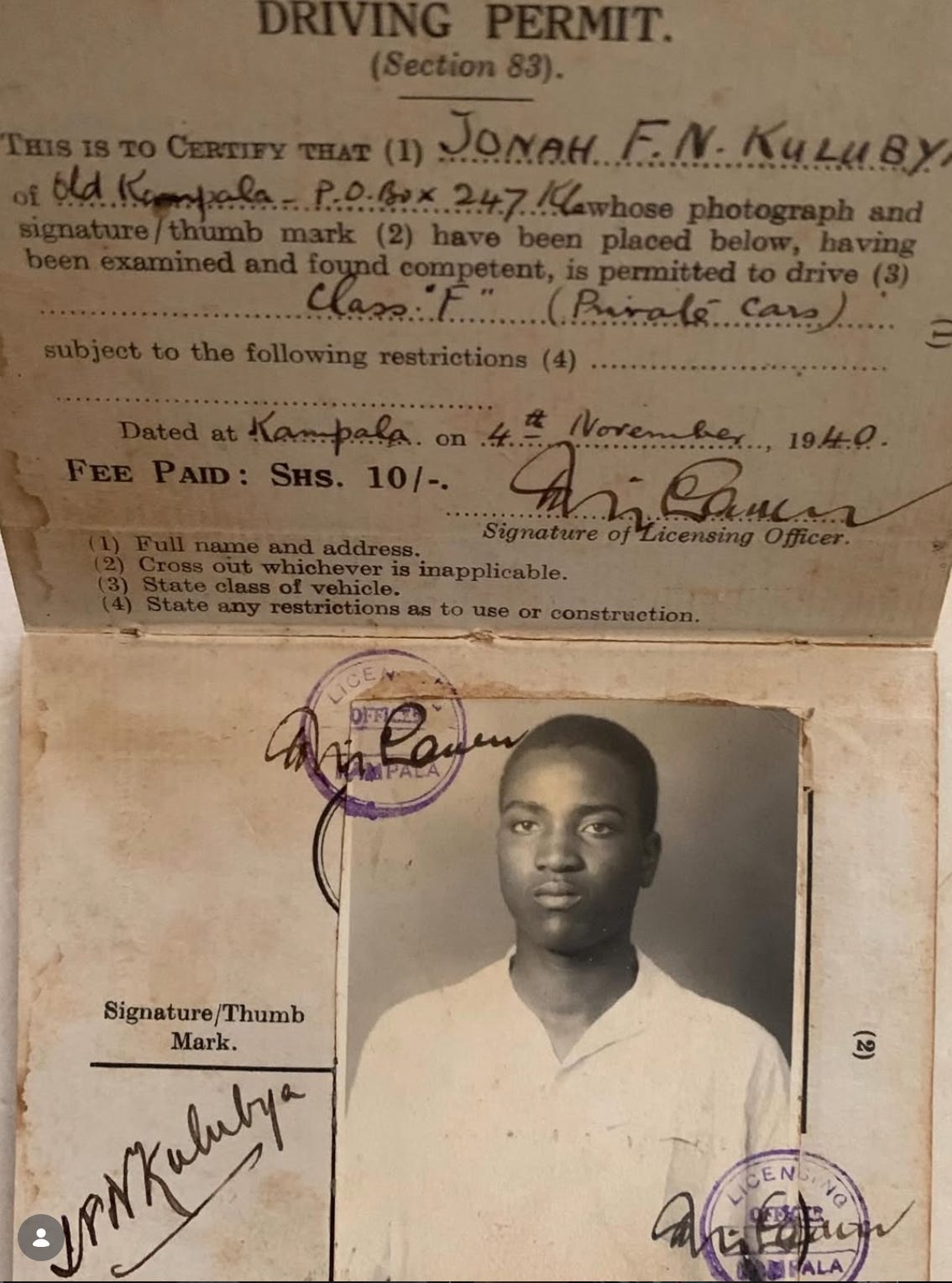
At first glance, it looked like little more than a piece of paperwork.
But the questions it raised led me down a rabbit hole that eventually became A Yellow Rebellion—an essay exploring colonial bureaucracy, mobility, and the hidden stories embedded within everyday administrative documents.
Another discovery was a family photograph showing my mother presenting flowers to Queen Elizabeth during her visit to Uganda.
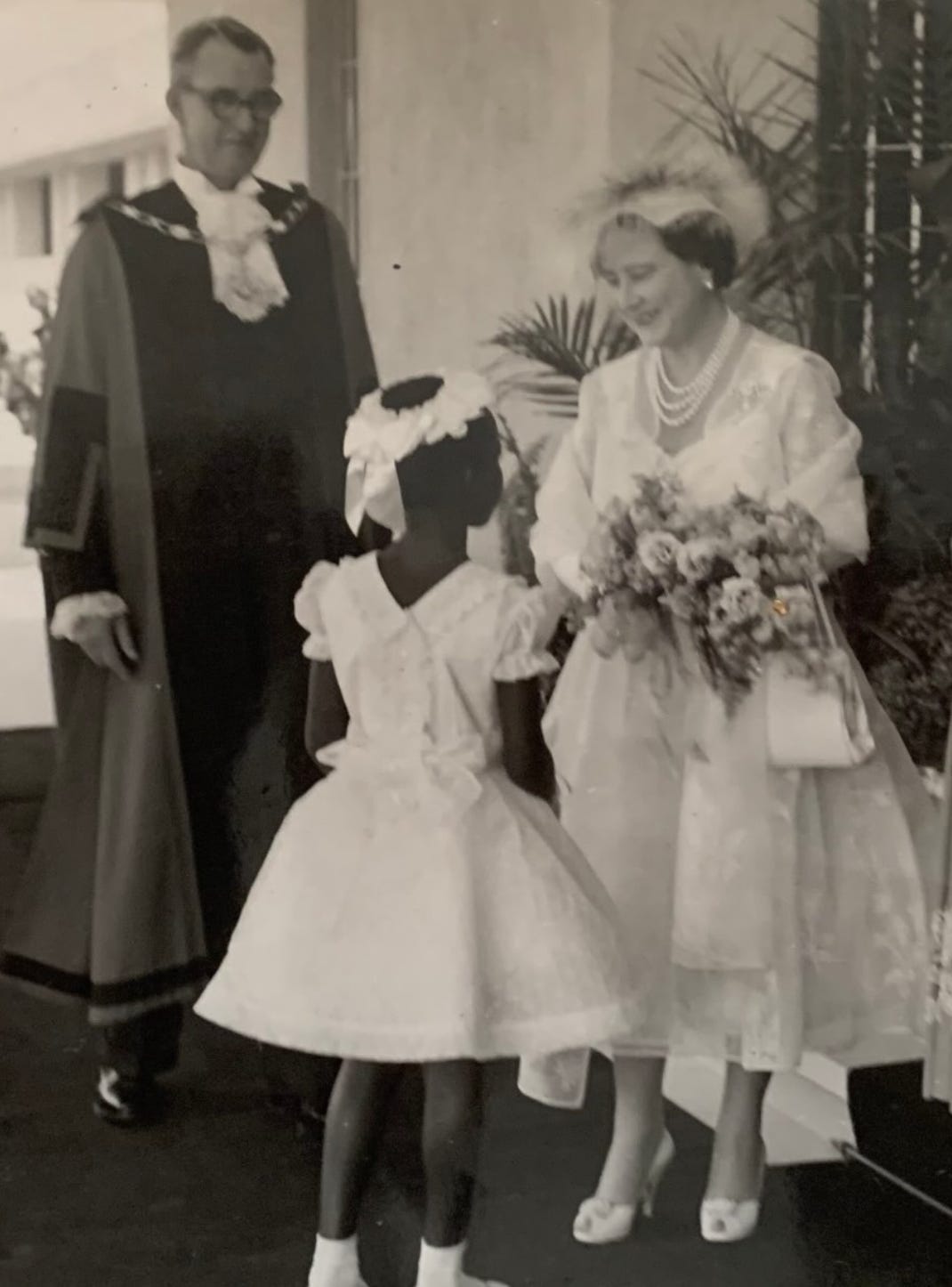
A family photograph that raises larger questions about ceremony, belonging, visibility, and what colonial power looked like when it entered everyday life.
The suitcase also helped clarify what kind of archive we wanted to build.
Not simply an archive of family history.
But an archive of connection.
An archive that traces the histories, encounters, tensions, solidarities, and everyday relationships that shape Black and Brown lives.
Six weeks ago, we launched the first public archive node on the BlindianProject website.
It focuses on South Africa and explores a question that has appeared repeatedly throughout our work:
What happens when proximity is designed?
Beginning with the work of Youlendree Appasamy and Nosipho Mngomezulu, the archive brings together research, oral histories, interviews, and cultural artifacts that help us better understand the entangled histories of Black and Indian communities in South Africa.
It’s only the beginning.
In the coming months, we’ll continue building the archive with additional materials from South Africa while expanding into East Africa and beyond.
Explore the South Africa Archive Node →
The deeper I looked, the more I realized that archives are less about answers than they are about questions.
What We’re Learning
The deeper we look, the harder it becomes to separate family history from public history.
A family photograph becomes a record of empire.
A driver’s permit becomes a record of governance.
An ordinary document becomes evidence of how people moved through the world.
We’re beginning to realize that archives are not simply collections of objects.
They’re collections of questions.
Questions about how ordinary people lived through extraordinary periods of history.
Every object opens another door.
What We’re Looking For
We’re currently gathering materials for the BlindianProject Archive.
In the first instance, we’re particularly interested in materials connected to East Africa and South Africa.
Family albums.
Studio portraits.
Letters.
Government documents.
Migration records.
Audio recordings.
Research materials.
Community newsletters.
Oral histories.
Everyday traces of life.
We’re especially interested in materials that help us better understand how people lived, moved, remembered, loved, worked, and built community across generations.
The archive is still young.
And still unfinished.
How To Submit
Found a photograph in a drawer?
An old letter?
A passport?
A recording?
A story you’ve been meaning to write down?
Send it.
The archive is built from ordinary things that survived.
Photographs in albums.
Documents in folders.
Letters in drawers.
Objects kept in suitcases for decades.
You don’t need to know if something is important.
That’s part of what we’re trying to find out.
Submit materials to the BlindianProject Archive →
Thank you for reading, contributing, and helping us build this archive together.
— Jonah
About the Author
Jonah Batambuze is a Ugandan-American interdisciplinary artist, writer, and cultural architect working at the intersection of Black and South Asian diasporas. Through film, installation, writing, and public humanities work, his practice explores how race, caste, memory, migration, and colonialism shape the conditions of everyday life.
He is the founder of the BlindianProject, a public humanities and cultural infrastructure project building a living archive of Black and Brown histories, encounters, and entanglements across diaspora.
Support the Archive
The BlindianProject is building a living archive of photographs, documents, oral histories, and cultural materials connected to Black and Brown communities.
The project is fiscally sponsored by the Dream Big Youth Foundation, a registered 501(c)(3) nonprofit organization. Contributions made in support of the project are tax-deductible to the extent permitted by law.
If you’d like to support the archive, contribute materials, or learn more, visit the BlindianProject website.
EIN: 39-4945347